Get Tennis Court Resurfacing in Denver, CO
Property owners in Denver and nearby areas can find local contractors who specialize in resurfacing tennis courts to repair cracks, restore surface traction, and improve overall playability.
If you own a property in Denver, CO, and are considering updating or restoring a tennis court, you're in the right place to explore your options. Resurfacing a tennis court can enhance the playing surface, improve safety, and extend the lifespan of your investment. Whether you're preparing for a new season or simply want to refresh the look of your court, understanding the available services and local contractors can help you make informed decisions for your project.
Comparing local service providers who specialize in tennis court resurfacing can ensure you find experienced and reliable options tailored to your needs. Planning a resurfacing project involves evaluating different approaches and materials suited to Denver’s climate and your property's specifics. Continuing to explore your options can lead to a well-maintained court that meets your performance expectations and aesthetic preferences.
- New Tennis Court Installation - when constructing a new sports facility or private court in neighborhoods like Denver's Highlands area.
- Court Resurfacing - when existing courts show signs of wear, cracking, or fading, especially in areas with heavy seasonal changes like Colorado Springs.
- Surface Repair - for courts that need patching or fixing after damage from weather or heavy use in communities such as Aurora.
- Line Repainting - when court lines become unclear or faded, impacting gameplay for local clubs and recreational centers.
- Surface Conversion - when upgrading from asphalt to more durable or sport-specific surfaces in areas like Fort Collins.
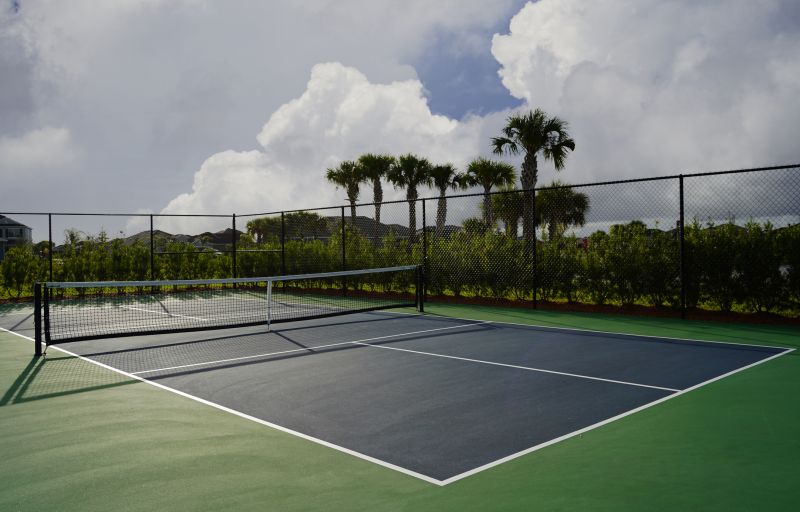
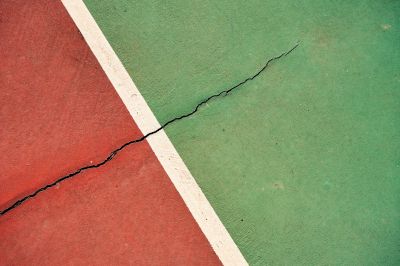
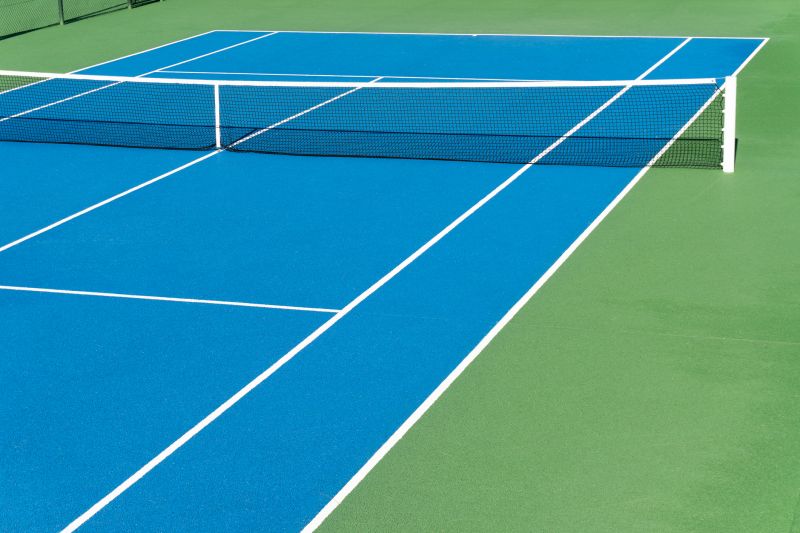
Tennis court resurfacing services involve restoring the playing surface to ensure optimal performance, safety, and appearance. Over time, outdoor courts can develop cracks, rough patches, and surface wear caused by weather exposure, heavy use, or aging materials. Resurfacing typically includes removing the existing surface, repairing underlying issues, and applying a fresh layer of material such as acrylic, asphalt, or other durable coatings. This process helps improve the court’s traction and bounce, making gameplay smoother and more consistent for players of all skill levels.
Many common problems signal the need for tennis court resurfacing. Cracks and surface deterioration can lead to uneven playing conditions, increasing the risk of injuries or equipment damage. Fading colors and worn-out markings can also compromise the court’s appearance and usability. Additionally, water pooling or drainage issues often arise from surface damage, which can accelerate deterioration and create unsafe conditions. Addressing these problems through resurfacing not only enhances the court’s look but also extends its lifespan and maintains a safe, high-quality playing environment.
Resurfacing services are frequently sought by property owners of various types, including private homeowners with backyard courts, sports clubs, schools, and recreational facilities. Residential properties with outdoor tennis courts often need periodic resurfacing to keep their courts in top shape for family fun and friendly matches. Commercial venues, such as tennis clubs or community recreation centers, rely on regular maintenance and resurfacing to ensure their courts remain attractive and functional for members and visitors. Regardless of the property type, a properly resurfaced court can significantly improve the overall playing experience and property value.
When considering tennis court resurfacing, it’s important to recognize signs that indicate a need for this service. If the surface feels rough or shows visible cracks, or if markings are fading or uneven, resurfacing may be necessary. Also, if water does not drain properly or puddles form after rain, addressing these issues through resurfacing can prevent further damage and safety hazards. Local contractors who specialize in tennis court restoration can assess the condition of the court, recommend the appropriate resurfacing options, and help restore the surface to a safe and appealing condition suitable for regular play on properties throughout Denver, CO, and nearby areas.
The overview below groups typical Tennis Court Resurfacing projects into broad ranges so you can see how smaller, mid-sized, and larger jobs often compare in Denver, CO.
In many markets, a large share of routine jobs stays in the lower and middle ranges, while only a smaller percentage of projects moves into the highest bands when the work is more complex or site conditions are harder than average.
Smaller Repairs - Minor resurfacing projects or patching typically range from $250-$600 for many smaller jobs. These projects often involve simple surface fixes and are common among local pros handling routine maintenance.
Mid-Size Resurfacing - Complete resurfacing of an average tennis court usually falls between $1,500-$3,000. Many local contractors perform these projects regularly within this range, which covers standard surface upgrades.
Full Replacement - Replacing an entire tennis court surface can cost between $5,000-$15,000 or more for larger, more complex projects. Fewer projects reach the highest tiers, which often involve extensive preparation or premium materials.
Premium or Custom Work - High-end resurfacing with specialty materials or custom designs can exceed $20,000. These projects are less common and typically involve detailed surface customization or large-scale installations.
Actual totals will depend on details like access to the work area, the scope of the project, and the materials selected, so use these as general starting points rather than exact figures.
Basketball Court Resurfacing - this project involves surface preparation and coating application similar to tennis court resurfacing, requiring expertise in leveling and sealing surfaces.
Playground Surface Installation - installing and maintaining safe, durable surfaces for playgrounds involves planning and surfacing techniques comparable to tennis court upgrades.
Swimming Pool Deck Resurfacing - resurfacing pool decks requires surface preparation and finishing skills akin to those used in tennis court restoration.
Sports Court Painting - applying lines, markings, and coatings on various sports surfaces shares techniques with tennis court surface customization.
Indoor Court Resurfacing - similar surface preparation and coating processes are used to refurbish indoor sports courts, including tennis and basketball courts.
Driveway Resurfacing - restoring and sealing driveways involves surface prep and coating skills comparable to those needed for tennis court resurfacing projects.
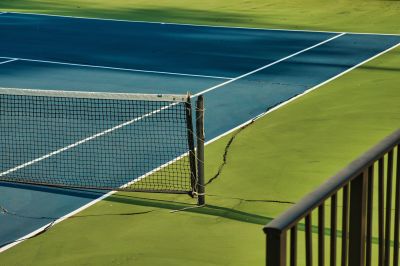
When evaluating contractors for tennis court resurfacing, it’s important to consider their experience with similar projects in the Denver area or nearby communities. Service providers with a proven track record in resurfacing tennis courts will be more familiar with the specific materials, techniques, and challenges that can arise in local climates. Asking for examples of past work or references from previous clients can help gauge their familiarity with courts similar in size, surface type, and usage to your own. This insight can provide confidence that a contractor understands the nuances of tennis court restoration and can deliver results that meet expectations.
Clear, written expectations are essential when comparing local contractors for tennis court resurfacing. A reputable service provider should be able to provide a detailed scope of work, outlining the specific steps involved, the materials to be used, and the projected outcomes. Having this information in writing helps ensure everyone is on the same page and reduces the potential for misunderstandings. It’s also beneficial to inquire about warranties or guarantees related to the resurfacing work, as these can offer additional reassurance about the quality and durability of the finished surface.
Effective communication is a key factor when selecting a service provider for tennis court resurfacing. Contractors who are responsive and transparent during initial discussions often demonstrate a professional approach and a commitment to customer satisfaction. Good communication can make the process smoother, from initial planning through project completion, and can help address any questions or concerns promptly. When comparing options, consider how well the contractor explains their process and whether they seem attentive to your needs. Remember, the site introduces homeowners to local options, not that it performs the work directly, so it’s important to evaluate each contractor’s reputation and ability to communicate effectively before making a decision.
Property owners in Denver, CO use Tennis Court Resurfacing services for practical projects around their homes and businesses. This guide focuses on everyday jobs and straightforward project options.
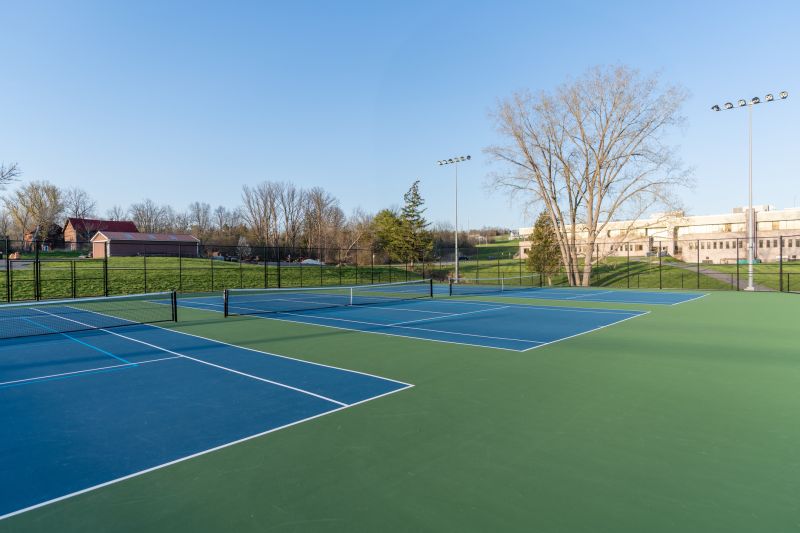
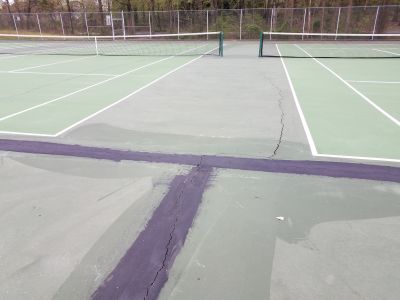
Property owners in Denver, CO may seek tennis court resurfacing services when their courts show signs of wear, such as cracks, fading lines, or uneven surfaces. Over time, exposure to the area's varying weather conditions can cause the surface to deteriorate, making play less safe and less enjoyable. Local contractors specializing in tennis court resurfacing can help restore the court’s appearance and functionality, ensuring it remains a suitable space for recreation and exercise.
Additionally, residents and facility managers might look for resurfacing services if they want to update the look of their courts or improve durability. Whether preparing a court for upcoming tournaments or simply maintaining a well-kept property, many in Denver turn to experienced service providers to refresh their surfaces with modern materials and techniques. These local experts can handle a variety of projects, from minor repairs to complete resurfacing, helping property owners maintain a high-quality playing environment.
What types of tennis court surfaces can be resurfaced? Local contractors typically offer resurfacing for asphalt, concrete, and synthetic courts to restore their playability and appearance.
How often should a tennis court be resurfaced? Resurfacing is generally recommended every 8 to 10 years, depending on usage and exposure to weather conditions.
What are the benefits of resurfacing a tennis court? Resurfacing can improve surface smoothness, enhance safety, extend the court’s lifespan, and provide a fresh look for the playing area.
What preparations are needed before resurfacing a tennis court? Local service providers usually handle cleaning, crack repairs, and surface assessments to ensure proper adhesion and a quality finish.
Can resurfacing improve the playing surface for different types of tennis courts? Yes, professional resurfacing can adapt the surface to meet specific playing preferences and improve overall court performance.
Enhance Playability - Resurfacing a tennis court can improve surface smoothness and traction, making it safer and more enjoyable for daily games and practice sessions.
Restore Appearance - Refreshing the surface can eliminate cracks and worn areas, giving the court a clean, professional look for neighborhood or community use.
Increase Durability - Proper resurfacing helps protect the court from weather damage and heavy use, extending its lifespan for years of consistent play.
Improve Safety - A freshly resurfaced court can reduce the risk of slips and falls, providing a safer environment for players of all ages and skill levels.
If you are thinking about Tennis Court Resurfacing for a property in Denver, CO, this guide is meant to help you understand the work, the typical project types, and how different options might fit your plans.
When you are ready, you can use the quote form on this page to share a few details about your project. From there, local pros can review the basics and respond with options that match what you have in mind.