How Surface Cracks Impact Tennis Court Playability
Local service providers can repair surface cracks on tennis courts to improve playability and prevent further damage that affects ball bounce and player safety.
Understanding how surface cracks impact tennis court playability is essential for property owners who want to maintain a high-quality playing surface. Cracks can develop over time due to weather, usage, or underlying ground shifts, and they often lead to uneven surfaces that affect ball bounce and player safety. Recognizing these issues early can help prevent further damage and preserve the court’s condition, making it more enjoyable and functional for regular play. Local contractors experienced in tennis court repair can assess the severity of surface cracks and recommend appropriate solutions to restore optimal playability.
For property owners in the area, exploring how surface cracks influence tennis court performance is a practical step toward protecting their investment. Damaged surfaces not only hinder gameplay but can also lead to more costly repairs if left unaddressed. Local service providers who specialize in tennis court crack repair have the expertise to evaluate surface conditions and implement effective fixes that improve surface integrity and longevity. Continuing to read can provide valuable insights into how proper maintenance and timely repairs contribute to a safe, smooth, and consistent playing experience.
- Surface crack repair services are needed when surface cracks begin to interfere with ball bounce and player movement on tennis courts. Local contractors assess the severity of cracks and employ patching or resurfacing techniques to restore evenness and playability. When cracks expand or deepen, they can cause uneven surfaces that hinder safe and consistent play, prompting the need for professional repair. Service providers use specialized materials to fill and seal cracks, preventing further deterioration that could impact game quality. Contacting local pros ensures surface cracks are properly repaired to maintain optimal tennis court performance.
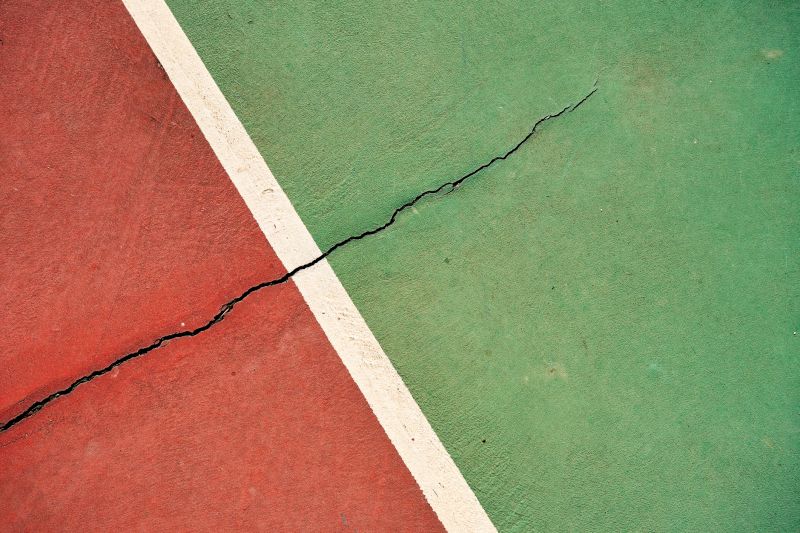
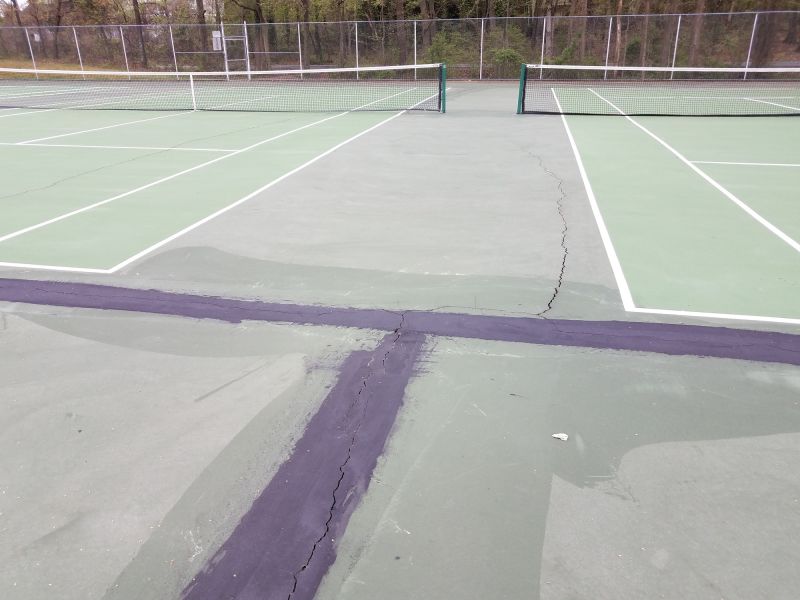
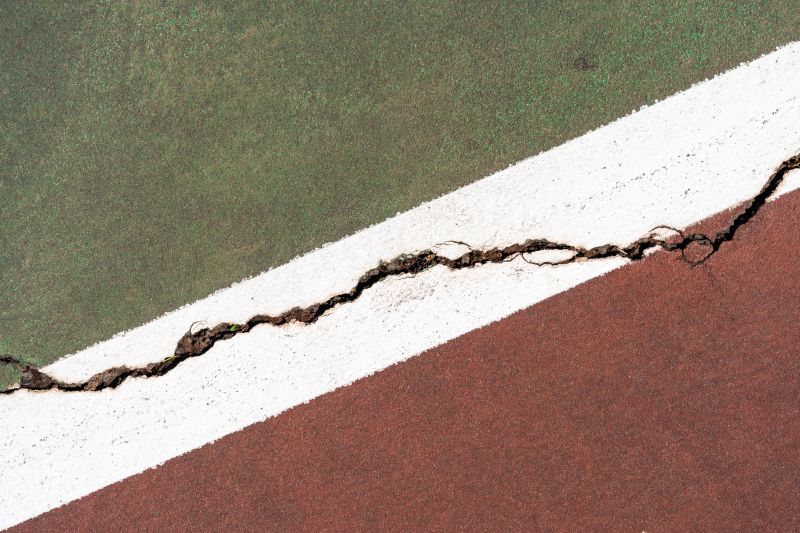
Surface cracks on tennis courts are a common issue that can significantly influence how the surface plays during matches. When searching for information on this topic, homeowners and facility managers usually want to understand how these cracks affect ball bounce, player safety, and overall court performance. Cracks can create uneven surfaces, leading to unpredictable ball behavior and increasing the risk of trips or slips. Recognizing how surface cracks impact tennis court playability helps property owners determine whether repairs are necessary to restore optimal playing conditions and ensure a safe environment for players.
The problems associated with surface cracks often relate to the integrity and durability of the court surface. Over time, cracks can deepen and widen, causing the surface to become uneven or develop into larger potholes. This deterioration can interfere with the court’s traction, making it harder for players to move confidently and increasing the likelihood of injuries. Many property owners consider plans for repair or resurfacing as part of ongoing court maintenance. Addressing surface cracks early can prevent more extensive damage, extend the lifespan of the court, and maintain a consistent playing experience.
Tennis courts with surface cracks are typically found on properties that feature asphalt or concrete surfaces, which are common choices for residential and community courts. These surfaces are prone to cracking due to weather fluctuations, ground movement, or regular wear and tear. Cracks may appear as fine lines or as larger fissures, often concentrated in high-traffic areas or where the surface has experienced stress. Property owners often seek out local contractors who specialize in crack repair to evaluate the damage, recommend appropriate solutions, and restore the court’s surface to a playable condition.
Connecting with experienced tennis court crack repair service providers is an important step for property owners dealing with surface cracks. These local contractors understand the specific challenges that cracks pose to court playability and can recommend effective repair techniques. Whether it’s filling minor cracks, sealing larger fissures, or resurfacing the entire court, professional repair helps ensure the surface remains smooth, safe, and suitable for regular play. By working with local pros, property owners can address surface cracks promptly, preserving the quality and longevity of their tennis courts for years to come.
Asphalt paving projects involve surface preparation and repair techniques similar to those used in fixing tennis court cracks, requiring attention to surface integrity and durability.
Concrete resurfacing services focus on restoring smooth, even surfaces, which aligns with repairing surface cracks to maintain optimal tennis court playability.
Sports court installation projects often require precise planning and surface leveling, skills that are essential for addressing surface cracks on tennis courts.
Driveway repair and sealing involve crack filling and surface restoration that can be applicable when addressing surface cracks impacting tennis court playability.
Pavement maintenance services include crack sealing and surface stabilization, which are important for preventing further damage on cracked tennis courts.
Epoxy coating applications are used to reinforce surfaces and prevent cracking, making them relevant for preserving tennis court integrity and playability.
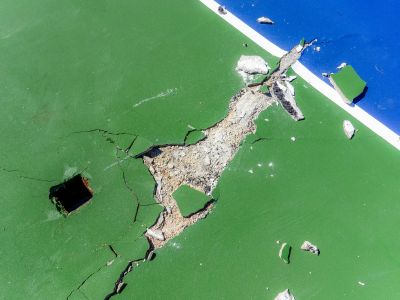
When evaluating service providers for tennis court crack repair, it is important to consider their experience with similar projects. An experienced contractor will understand how surface cracks can affect tennis court playability, including issues like uneven surfaces, reduced ball bounce, and potential safety hazards. Asking about previous work on courts with surface cracks can help determine if a contractor has the relevant background to handle the specific challenges associated with maintaining or restoring a court’s playability. This knowledge ensures that the repair work addresses not only the appearance of cracks but also the functional integrity of the surface for optimal play conditions.
Clear written expectations are essential when comparing local contractors for tennis court crack repair. A reputable service provider should be able to provide detailed descriptions of the work involved, including the methods used to repair surface cracks and the expected outcomes. Clarifying what the repair process entails helps prevent misunderstandings and ensures that both parties are aligned on project goals. Well-defined expectations also serve as a basis for evaluating the quality of work and assessing whether the contractor’s approach is suitable for maintaining the court’s playability and longevity.
Reputable references and effective communication are key factors in selecting a reliable local contractor. Service providers who can supply references from past clients with similar projects demonstrate a history of satisfactory work. Good communication throughout the process helps ensure that questions are answered, concerns are addressed, and progress is transparent. This level of engagement can be especially important when dealing with surface cracks, as ongoing dialogue ensures that the repair work aligns with the specific needs of the court and preserves its playability for years to come.
Property owners often search for how surface cracks impact tennis court playability when they are planning practical projects around their homes and businesses. Local pros provide Tennis Court Crack Repair services for everyday jobs and straightforward project options.
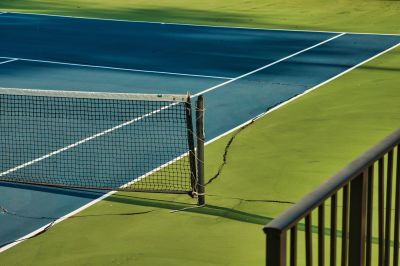
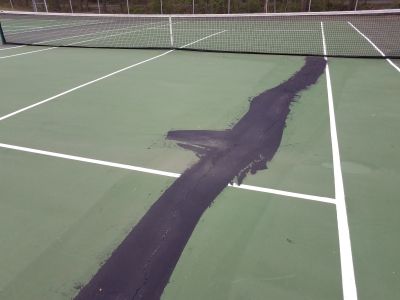
Surface cracks on tennis courts can significantly affect how the game is played and enjoyed. Small surface imperfections might seem minor at first, but over time, they can develop into larger issues that cause uneven ball bounce, reduce traction, and increase the risk of slips or falls. Property owners in the area often look into surface crack repair services to ensure the court remains safe and suitable for regular play, whether for casual games or competitive matches. Addressing these cracks promptly helps maintain the court’s integrity and provides a smoother, more predictable surface for players.
Many local contractors specialize in tennis court crack repair and can assess the severity of surface cracks to recommend appropriate solutions. Repairing cracks early can prevent further deterioration and extend the lifespan of the court. Property owners seeking to keep their tennis courts in top condition often explore options for professional crack repair services to restore playability and safety. Connecting with experienced service providers ensures that surface issues are handled efficiently, helping courts stay in optimal shape for ongoing use.
How do surface cracks affect tennis court playability? Surface cracks can cause uneven ball bounce and reduce the overall smoothness of the court, making gameplay less predictable and potentially frustrating for players.
Can surface cracks lead to further damage on a tennis court? Yes, cracks can allow water and debris to penetrate the surface, which may worsen existing damage and lead to more extensive repairs over time.
Why is it important to repair surface cracks promptly? Addressing surface cracks early helps maintain a consistent playing surface, prevents deterioration, and preserves the court’s safety and usability.
How do surface cracks impact player safety during tennis matches? Cracks can create tripping hazards or cause players to lose footing, increasing the risk of injuries during play.
What role do local contractors play in restoring tennis court surface integrity? Local service providers can assess surface cracks, perform repairs, and help restore a smooth, safe, and playable court surface for optimal tennis playability.
Assessing surface cracks - property owners can evaluate how surface cracks affect tennis court playability to determine if repairs are needed before damage worsens.
Prioritizing repair projects - understanding the impact of surface cracks helps decide when to seek surface crack repair services from local contractors to maintain court quality.
Planning for resurfacing needs - recognizing how surface cracks influence playability guides scheduling resurfacing or crack filling with local pros to extend the court’s lifespan.
Ensuring safe play conditions - addressing surface cracks promptly can prevent uneven surfaces that may cause injuries or hinder gameplay, with help from experienced service providers.
If you are thinking about how surface cracks impact tennis court playability for a property, this guide is meant to help you understand this topic, the typical project types, and how different options might fit your plans.
When you are ready, you can use the quote form on this page to share a few details about your project. From there, local pros can review the basics and follow up with options that match what you have in mind.